Factors That Influence IVF Success
IVF success depends on more than one factor. Many elements combine to influence the outcome, which is why a personalized approach matters.

What Affects IVF Success, At a Glance
IVF success cannot be reduced to a single rate; it reflects a combination of factors, the woman's age, egg and sperm quality, embryo quality, the uterine environment, lifestyle and laboratory conditions. Outcomes vary from person to person, so an individual assessment is far more meaningful than an average figure.
- Age: the strongest factor; it affects egg quality.
- Egg & sperm quality: set the embryo's potential.
- Embryo quality: a good blastocyst supports implantation.
- Uterine lining: adequate thickness and pattern are needed.
- Lifestyle: smoking, weight and stress matter.
- Laboratory & team: experience and modern conditions count.
What influences success?
Age, egg and sperm quality, embryo quality and the uterine environment are among the most decisive elements. Laboratory quality and doctor-led care also matter.
- Age and ovarian reserve
- Egg, sperm and embryo quality
- A receptive uterine environment
- Lifestyle and laboratory quality

Honest, transparent guidance
Success rates vary by age, medical history and treatment type. Instead of exaggerated promises, we give you a realistic assessment suited to your situation.
Our doctor-led approach plans every step individually, according to your situation.
The Role of Lifestyle
Smoking, excess weight and uncontrolled chronic conditions can affect outcomes, so we share lifestyle guidance during preparation.
Our goal is not to offer guarantees but to work on the factors that can be influenced in your situation.
Why Does Success Vary Between People?
The “average success rates” you see online do not reflect your individual chance, because IVF outcomes depend not on one factor but on a combination of them.
Two people of the same age can differ greatly in ovarian reserve, sperm quality, the uterine environment and general health. A realistic, meaningful assessment therefore only emerges when it is tailored to you. For common misconceptions, see why IVF success depends on more than price.
Below are the main factors that affect success, and how some of them can be improved. Understanding which factors weigh most in your case is the first step towards a realistic, individual plan.
What an IVF “Success Rate” Really Means
Before comparing numbers, it helps to understand what a “success rate” actually measures, headline figures can be misleading.
A rate can be reported per cycle, per transfer or as a cumulative result over several transfers, and each gives a very different number. Figures also depend heavily on the age mix of the patients they describe. So a clinic's headline percentage tells you little about your chance.
The most honest measure is usually the cumulative outcome across a full course of treatment for someone in your situation. We explain this in what IVF success rates really mean, and discuss realistic expectations with you at consultation.
The Main Factors That Affect Success
The table below summarises the key factors and their effect.
| Factor | Effect |
|---|---|
| Woman's age | The strongest factor; egg number and quality decline with age |
| Egg & sperm quality | Determine the embryo's genetic and developmental potential |
| Embryo quality | Good blastocysts improve the chance of implantation |
| Uterine lining | Adequate thickness and a healthy environment are needed |
| Lifestyle | Smoking, excess weight and chronic stress can reduce outcomes |
| Laboratory & team | An experienced embryology team and modern conditions matter |
Some factors, such as age, cannot be changed, but many can be improved with the right protocol, a good laboratory and lifestyle adjustments.
Your Part: The Factors You Can Influence
Some factors are out of our hands; many others can be improved before and during treatment.
- Stopping smoking and alcohol
- Working towards a healthy weight and a balanced diet
- Folic acid and vitamins as your doctor advises
- Managing stress and keeping a regular sleep pattern
- Taking prescribed medication correctly and consistently
These steps are not miracles, but they support your chance. See IVF nutrition and lifestyle for more.
The Invisible Difference: Laboratory and Team
A factor patients rarely see, yet which directly affects outcomes, is the embryology laboratory and the experience of the team.
Embryo development is extremely sensitive to conditions. Modern laboratory standards, experienced embryologists and, where indicated, healthy embryo selection with genetic testing (PGT) can markedly affect success. So when choosing a clinic, laboratory quality, not just price, should weigh heavily.
Age is also central here; see our page on the IVF age factor for how it interacts with the other factors.
The Role of Egg and Sperm Quality
An embryo's potential is directly tied to the quality of the egg and sperm that form it, so both sides need assessing.
Egg quality is largely age-related and cannot easily be changed from outside, though it can be supported by the right protocol and lifestyle. On the sperm side, alongside count and motility, DNA integrity matters; where needed, methods such as ICSI or PICSI come into play.
A good embryo starts with a good egg meeting a good sperm, which is why assessment is always done as a couple, the issue is not sought in one partner alone.
The Uterine Environment and Endometrium
As important as a good embryo is the uterine environment it implants into. Even the best embryo may not implant on an unsuitable lining.
The uterine lining (endometrium) needs adequate thickness and a healthy pattern for implantation. So before transfer the endometrium is assessed by ultrasound and, where needed, optimised with hormonal support. Fibroids, polyps or adhesions are also evaluated.
Where the uterine environment is not ideal, embryos can be frozen and transferred in a more suitable cycle, a key advantage of frozen embryo transfer.
Embryo Quality and the Blastocyst
One of the most concrete markers of success is the quality of the embryo transferred.
Embryos are graded in the laboratory by their rate of development and structure. Those reaching the blastocyst stage (day 5) with good grades tend to have a higher chance of implantation. Grading does not tell the whole story, though; where genetic assessment is needed, PGT can add information.
Having more than one good embryo allows both selection and, if needed, freezing for later attempts, which supports the overall chance of success.
A Single Attempt, or a Journey?
In IVF, success often comes not from a single attempt but from a well-planned journey.
Not conceiving on the first cycle does not mean your chances are low; many pregnancies happen on the second or third transfer. What matters is reviewing the reasons after an unsuccessful cycle and updating the plan, each cycle informs the next.
So success is better judged by the cumulative chance across the whole process than by one cycle. Being able to freeze good embryos makes this journey both more flexible and, often, more economical.
Frequently Searched Questions
| Soru / Question | Kısa yanıt / Quick answer |
|---|---|
| What affects IVF success the most? | The woman's age is the strongest factor, followed by egg/sperm and embryo quality and the uterine environment. |
| Why is the success rate different for everyone? | Because the outcome depends on a combination of factors that vary from person to person. |
| Does lifestyle really make a difference? | Yes; managing smoking, weight and stress can support your chance, though it is not decisive on its own. |
| If the first cycle fails, are my chances low? | No; many pregnancies happen on the second or third transfer. The reasons for a failed cycle are reviewed and the plan updated. |
| Does PGT improve success? | With the right indication it can help select a healthy embryo, but it is not needed for everyone. |
| How many embryos should be transferred? | Per regulation and your situation; a single embryo is usually advised in early attempts under 35, which lowers the risk of twins. |
| Does stress affect IVF success? | Chronic stress may contribute, but it is not a cause of failure on its own; support can help. |
| Does weight affect success? | Being significantly over- or under-weight can affect hormonal balance and response; a healthy weight is advised. |
Why Op. Dr. Ali İhsan Gönenç?
Success is supported by optimising every controllable factor for your situation. Here, that is achieved through the holistic oversight of one specialist.
- Single-consultant continuity and an individualised protocol
- Modern laboratory and an experienced team at Medical Park Bahçelievler
- Realistic expectations and transparent information
Arrange an assessment to review your individual chance.
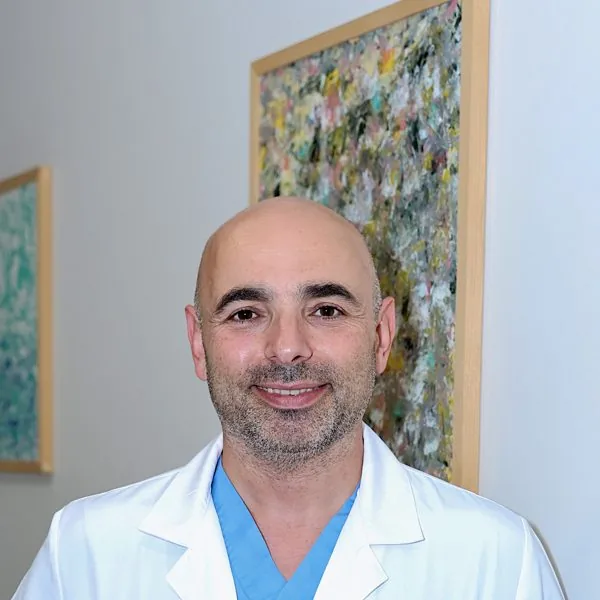
Op. Dr. Ali İhsan Gönenç
Obstetrics & Gynecology · IVF, Medical Park Bahçelievler IVF Center
Op. Dr. Ali İhsan Gönenç is an experienced obstetrician and gynecologist focused on infertility and IVF. The medical information on this page has been reviewed by him for accuracy.
View Doctor Profile →Sources: CDC, Assisted Reproductive Technology · ASRM, ReproductiveFacts
Frequently Asked Questions
Common questions, clearly answered.
✓ Medical content reviewed by Op. Dr. Ali İhsan Gönenç · Last updated: July 2026
No. No ethical clinic can guarantee success; it depends on individual factors.
Yes, factors such as smoking, weight and overall health can influence the outcome.
Success depends on the woman's age, egg and sperm quality, embryo quality, the uterine environment and laboratory conditions. These factors are best evaluated together.
Age affects both egg number and quality, making it a key factor in IVF success. As age increases, the chance may decrease and additional methods may be needed.
Healthy embryo development depends on good-quality eggs and sperm. When quality is reduced, fertilization and implantation can be affected.
Embryos are graded in the laboratory by their development rate and structure. Genetic testing (PGT) can add further assessment when appropriate.
A healthy uterine lining of adequate thickness is important for implantation. Issues such as polyps or fibroids can be identified and treated.
A balanced diet, avoiding smoking and alcohol, and a healthy weight can support reproductive health. Lifestyle is a complement to treatment.
The quality of the embryology laboratory and the experience of the team directly affect fertilization and embryo development. This is why choosing the center matters.
After an unsuccessful cycle, the possible reasons are reviewed and the plan is updated. Personalized adjustments can improve the chance in later attempts.
Related Reading
- Why Does IVF Fail? Common Reasons and What to Do Next
- Endometrial Lining and Implantation: What Matters
- How to Improve Egg Quality: What Really Helps for IVF and Fertility
- IVF Success Rates: What They Really Mean and What Actually Matters
Sources
The information on this page is supported by the following independent, authoritative sources:
Book your consultation with Op. Dr. Ali İhsan Gönenç
No pressure · Medical evaluation first · Clear communication