IVF Age Limit in Turkey
Age is one of the most important factors affecting fertility and IVF success. However, every woman's ovarian reserve and medical situation is different.

IVF Age Limit in Turkey, At a Glance
Age is the single strongest factor in IVF success, because egg number and quality decline as a woman gets older. But there is no rigid cut-off age in Turkey, eligibility is judged individually on ovarian reserve and health. Turkish rules do guide how many embryos may be transferred by age.
- Why it matters: egg number and quality fall with age.
- Best window: generally under 35.
- No rigid limit: eligibility is individual, on reserve and health.
- Turkish rule: embryo-transfer numbers are regulated by age.
- Own eggs only: donor eggs are not permitted in Turkey.
- Option: earlier egg freezing preserves fertility.
Why does age matter?
As age advances, the number and quality of eggs naturally decline, which can affect the chance of success. Still, every patient is assessed individually.
- Ovarian reserve tests (AMH, AFC)
- Assessment of individual medical history
- Age-appropriate protocol selection
- Planning additional techniques when needed

Your situation, not just numbers
In Turkey, IVF is performed using the couple's own eggs and sperm. Suitability is determined by age, reserve tests and overall health.
Rather than fixating on age, we value giving you a realistic and honest roadmap through a personalized assessment.
Ovarian Reserve Tests
Tests such as AMH (Anti-Müllerian Hormone) and antral follicle count (AFC) can reveal more about ovarian reserve than age alone.
These findings help us build a realistic treatment plan appropriate to your age.
Why Is Age So Important in IVF?
In fertility, age is more than a number. A woman is born with all her eggs, and this reserve declines in both number and quality over time.
With advancing age, the chance of chromosomal errors in the eggs rises. This affects embryo development after fertilisation, the chance of implantation and the ability to sustain a healthy pregnancy. That is why age is the single biggest factor in IVF outcomes.
Male age can affect sperm quality too, but the woman's age is usually more decisive because of the egg reserve. The good news is that with the right timing and techniques, its impact can be managed to some degree.
The General Trend by Age
The table below summarises the general trend. These are averages; your own situation depends on your ovarian reserve.
| Age range | General trend |
|---|---|
| Under 35 | Egg number and quality are usually higher, the best window |
| 35-37 | Reserve begins to decline, but good outcomes are still possible |
| 38-40 | Egg quality drops noticeably; timing matters |
| Over 40 | Chances fall; an individual plan and realistic expectations are key |
This is a trend, not a “limit”. Healthy pregnancies are possible over 40 too, but timely, realistic assessment is important. See our guide on getting pregnant after 40.
Age and Embryo Transfer Rules in Turkey
IVF is regulated in Turkey, and age is linked to how many embryos may be transferred.
As a general rule, a single embryo is transferred in the first two attempts for women under 35, with up to two embryos from the third attempt or from age 35. This is designed to reduce the risks of multiple pregnancy.
Rather than a rigid upper age limit, eligibility is assessed individually from ovarian reserve and general health. Importantly, Turkey permits treatment only with the couple's own eggs and sperm, donor eggs, which some clinics abroad offer to older patients, are not allowed here. We clarify your specific situation at consultation.
As Important as Age: Ovarian Reserve
Calendar age matters, but “ovarian age”, your reserve, matters just as much. Two people of the same age can have very different reserves.
- AMH (Anti-Müllerian Hormone): a blood marker of ovarian reserve
- Antral follicle count: assessed by ultrasound
- FSH and estradiol: part of the hormonal assessment
Together with your age, these build an individual picture that shapes your treatment plan. Where reserve is low, time is even more valuable, see low AMH and ovarian reserve.
What Options Are There If You're Older?
Even with advancing age, there are options to consider depending on your situation.
- Prompt assessment: every month can matter
- An individualised stimulation protocol: tailored to your reserve
- ICSI and PGT: where appropriate, to support healthy embryo selection
- Egg freezing: if considered earlier, it preserves fertility
Where fertility preservation is being considered, egg freezing is most often discussed at the youngest possible age. Later on, realistic expectations and careful planning are the healthiest approach.
What About Male Age?
When we talk about age and fertility, women come to mind first, but male age should not be overlooked.
With advancing male age, sperm count is largely preserved, but sperm quality and DNA integrity can be affected over time. This can influence embryo development after fertilisation and, in some cases, miscarriage risk. Even so, the woman's age is usually more decisive because of the limited egg reserve.
Where male factor stands out, a semen analysis and, if needed, a DNA fragmentation test are assessed; depending on the result, ICSI or PICSI may come into play. A supportive lifestyle also matters in this period.
When Should You See a Specialist?
Timing matters even more with age. In the following situations, it is best to see a specialist without waiting.
- Under 35 with no pregnancy after 12 months of unprotected trying
- 35 or over with no pregnancy after 6 months
- Irregular periods, a known ovarian/uterine problem, or endometriosis
- A history of recurrent miscarriage
- Family history of early menopause, or a known male factor
If any of these apply, an early assessment widens your options. Time is the most valuable resource, especially where ovarian reserve is concerned.
Realistic Expectations: Hope and Honesty
With age-related decisions, the healthiest approach is neither undue pessimism nor inflated promises, but honest, realistic expectations.
Average success rates online do not reflect your individual situation. Two people of the same age can differ greatly in reserve and general health, so the most meaningful information comes from an assessment tailored to you.
Our approach is to aim, together, for the best achievable outcome, without overstating or understating your chances. That honesty is the foundation of a trustworthy treatment relationship.
Age and Egg Freezing: The Right Time
The most powerful way to manage the impact of age is to preserve fertility while you are younger, which is exactly where egg freezing comes in.
Because eggs age with you, those frozen at a younger age (generally under 35) offer a better chance for a future pregnancy. So if you are considering egg freezing, delaying the decision usually works against you.
For those postponing motherhood for career, study or simply because the time isn't right, egg freezing eases the pressure of time. Your suitability and the best timing are assessed together with your ovarian reserve.
Frequently Searched Questions
| Soru / Question | Kısa yanıt / Quick answer |
|---|---|
| Is there an upper age limit for IVF in Turkey? | There is no rigid single limit; eligibility is assessed individually on ovarian reserve and health. |
| Is IVF possible after 40? | Yes, it is possible, but chances fall and an individual plan with realistic expectations is important. |
| How many embryos are transferred? | Usually a single embryo in the first two attempts under 35, and up to two afterwards or from age 35. |
| Are donor eggs allowed in Turkey? | No, treatment uses the couple's own eggs and sperm; donor gametes are not permitted. |
| How can I reduce the impact of age? | Timely assessment, a healthy lifestyle and, if relevant, earlier egg freezing are the steps usually discussed. |
Why Op. Dr. Ali İhsan Gönenç?
With age-related decisions, timely and realistic assessment matters most. Here, the process is led by one specialist, clearly and without pressure.
- Single-consultant continuity and a protocol tailored to your reserve
- Realistic expectation-setting and transparent information
- Established hospital setting at Medical Park Bahçelievler
Arrange an assessment to review your reserve and your options.
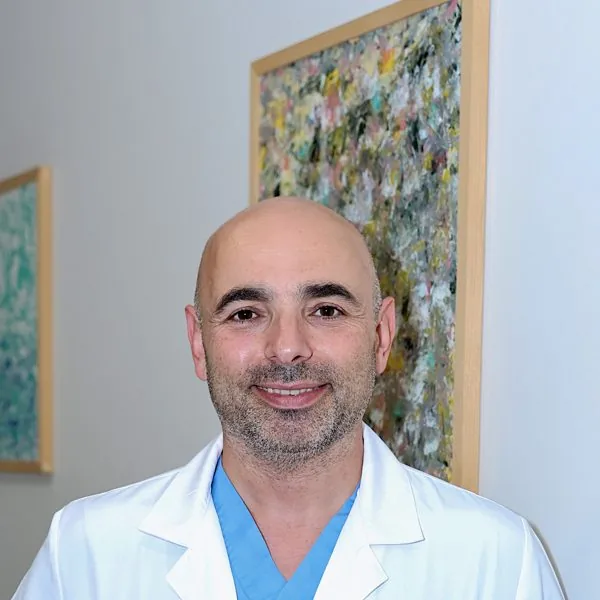
Op. Dr. Ali İhsan Gönenç
Obstetrics & Gynecology · IVF, Medical Park Bahçelievler IVF Center
Op. Dr. Ali İhsan Gönenç is an experienced obstetrician and gynecologist focused on infertility and IVF. The medical information on this page has been reviewed by him for accuracy.
View Doctor Profile →Sources: ACOG, Fertility after 35 · ESHRE
Frequently Asked Questions
Common questions, clearly answered.
✓ Medical content reviewed by Op. Dr. Ali İhsan Gönenç · Last updated: July 2026
The decision is based on individual factors such as ovarian reserve and overall health, not on age alone. An evaluation is needed.
Protocols appropriate to your age and reserve can be planned. We recommend an evaluation for details.
Eligibility depends more on ovarian reserve and general health than on age alone. Suitability is assessed by the physician after tests and examination.
Rather than a single fixed age, a person's reserve and health status are the deciding factors. The decision is therefore individual.
With age, the number of eggs decreases and the rate of chromosomal errors rises. This affects fertilization and the chance of a healthy pregnancy.
Not just age, but ovarian reserve, overall health, diagnosis and the right treatment plan are decisive. This is why assessment is personalized.
Suitable stimulation protocols, genetic testing (PGT) when indicated, or more than one cycle may be considered. The plan is tailored to reserve and diagnosis.
The man's age can somewhat affect sperm quality, though the impact is generally more limited. A semen analysis provides guidance.
Yes. Because egg quality is higher at a younger age, earlier freezing can provide a better chance later.
Age alone is not a barrier; what matters most is your current reserve and health. An early assessment is important for accurate guidance.
Related Reading
- Getting Pregnant After 40: Real Chances, Risks and Your Options
- Low AMH & Diminished Ovarian Reserve
- Egg Freezing: A Complete Guide, Who It's For, How It Works, FAQs
- How to Improve Egg Quality: What Really Helps for IVF and Fertility
Sources
The information on this page is supported by the following independent, authoritative sources:
Book your consultation with Op. Dr. Ali İhsan Gönenç
No pressure · Medical evaluation first · Clear communication