The Stages of IVF Treatment
The IVF process consists of clear, supportive steps from your first consultation to your pregnancy test. Active treatment usually takes 2-3 weeks.

The IVF Process in Turkey, At a Glance
An IVF cycle runs from planning to a pregnancy test in seven main stages: assessment, ovarian stimulation, follicle monitoring, egg retrieval, laboratory fertilisation, embryo transfer and a beta-hCG test. Active treatment usually takes 2-3 weeks, and international patients can often complete it in a single, well-planned stay.
- 1. Assessment: tests, ultrasound and protocol choice.
- 2. Stimulation: ~8-12 days of hormone injections.
- 3. Monitoring: ultrasound and blood tracking.
- 4. Egg retrieval: under light sedation, ~15-20 min.
- 5. Fertilisation: IVF/ICSI + embryo culture in the lab.
- 6. Transfer: the embryo is placed in the uterus.
- 7. hCG test: ~10-12 days after transfer.
From consultation to pregnancy test
You progress with physician follow-up at every step.
Consultation & Assessment
A treatment plan is built based on medical history, tests and diagnosis.
Ovarian Stimulation
Medication supports the development of multiple eggs.
Monitoring (Ultrasound & Blood)
Egg development is tracked regularly.
Egg Retrieval
Mature eggs are collected under light sedation.
Fertilization (IVF/ICSI)
Eggs are fertilized in the lab and embryos are monitored.
Embryo Transfer & Test
A suitable embryo is selected and transferred; a pregnancy test follows.
How long should I stay in Turkey?
International patients usually stay around 10-15 days for the key steps. Some preparation can begin in your home country.
After returning home, follow-up can continue remotely and coordination with your local doctor is arranged when needed.
After the Transfer
After embryo transfer, prolonged bed rest is usually not required and you can return to daily activities shortly.
A pregnancy test is usually performed about 10-12 days after transfer, and follow-up can continue remotely.
How the IVF Process Works
IVF is a sequence of carefully planned stages. Knowing the process in advance eases anxiety and helps you prepare for each step, which matters especially if you are travelling for treatment.
Below is a step-by-step outline of a typical IVF cycle. It is a general framework; your real plan is tailored to your tests and your response. For an overview, see our IVF in Turkey page and our guide on how IVF works step by step.
The active part of a cycle (stimulation to transfer) usually takes 2-3 weeks; see how long IVF takes for detail.
IVF in Seven Stages
The process can be summarised in seven main steps, each laying the foundation for the next.
Assessment & planning
Hormone tests, ultrasound and history assess your reserve; a suitable stimulation protocol is chosen.
Ovarian stimulation
Usually 8-12 days of daily hormone injections help several eggs mature.
Follicle monitoring
Ultrasound and blood tests track growth; the trigger injection is timed.
Egg retrieval (OPU)
Mature eggs are collected under light sedation with ultrasound guidance (~15-20 min).
Fertilisation in the lab
Eggs are fertilised by IVF or ICSI; embryos are grown to day 5 (blastocyst).
Embryo transfer
A suitable embryo is placed in the uterus with a thin catheter; spares can be frozen.
hCG (pregnancy) test
About 10-12 days after transfer, a blood test confirms pregnancy.
Timeline of the Stages
The table below summarises the approximate duration of each stage and what happens.
| Stage | Approx. time | What happens |
|---|---|---|
| 1. Assessment | Before the cycle | Tests, ultrasound, protocol choice |
| 2. Stimulation | ~8-12 days | Injections help follicles develop |
| 3. Monitoring | During stimulation | Ultrasound/blood tracking; trigger timed |
| 4. Egg retrieval | ~15-20 min | Collection under light sedation |
| 5. Fertilisation & culture | 3-5 days | IVF/ICSI; grown to blastocyst |
| 6. Transfer | ~10 min | Embryo placed in the uterus |
| 7. hCG test | ~10-12 days after transfer | Pregnancy confirmed |
If a frozen embryo transfer is planned, the transfer falls in a later cycle; this lengthens the process slightly but prepares the uterine lining more controllably.
Planning the Process as an International Patient
If you are travelling to Turkey, some of the process can be organised efficiently around your stay.
- Before travel: initial tests and coordination can often be arranged remotely.
- During your stay: monitoring, egg retrieval and transfer take place over roughly 2-3 weeks.
- Egg retrieval & transfer are short procedures with quick recovery.
- After you return home: we advise on medication to continue and the timing of your pregnancy test.
We plan the timing with you in advance so your visit is as efficient as possible. For what happens afterwards, see follow-up care and returning home.
What to Expect on Egg Retrieval Day
Egg retrieval is one of the most-asked-about steps. The good news: it is a day procedure and usually comfortable.
It is performed under light sedation with ultrasound guidance using a fine needle, and takes about 15-20 minutes. After a short rest you can usually return the same day. Mild cramping or bloating in the first days can be normal. See egg retrieval: what to expect for more.
On the same day, the sperm sample is prepared and the eggs are used for fertilisation. Contact your doctor for severe pain, rapid weight gain or marked bloating (in case of OHSS).
Preparation Before the Process Begins
An IVF journey begins not with the first injection but with good preparation, the time when the plan is set and the body is readied for treatment.
In this period, the necessary hormone, infection and semen tests are completed and ovarian reserve is assessed by ultrasound. These results guide the stimulation protocol best suited to you. Folic acid and any advised supplements can begin, and it is best to avoid smoking and alcohol.
Good preparation helps the rest of the process run more predictably. Here, this first step is planned individually and never rushed.
Fertilisation and Embryo Development
After egg retrieval, the process moves to a stage patients cannot see but which is among the most critical: the laboratory.
The collected eggs are fertilised by conventional IVF or ICSI. Fertilisation is checked the next day, and the developing embryos are monitored in a specialised incubator over several days, usually reaching the blastocyst stage on day 5, where they are graded by development.
This assessment guides which embryo to transfer and which to freeze. Being able to store good embryos gives more than one chance from a single retrieval, used later in a frozen embryo transfer.
Safety Through the Process: OHSS and Risks
IVF has been performed safely for decades, yet a few points are watched throughout the process.
During stimulation, the best-known risk is ovarian hyperstimulation syndrome (OHSS). Modern protocols, close monitoring and, where needed, a freeze-all approach keep this risk low. Very rare bleeding or infection after egg retrieval is minimised in experienced hands.
Multiple-pregnancy risk relates to the number of embryos transferred; single embryo transfer (SET) markedly reduces it. All relevant risks are explained to you in detail before you begin.
Frequently Searched Questions
| Soru / Question | Kısa yanıt / Quick answer |
|---|---|
| How many stages does IVF have? | Seven main stages: assessment, stimulation, monitoring, egg retrieval, fertilisation, transfer and the pregnancy test. |
| How long does the IVF process take? | Active treatment is usually 2-3 weeks; a frozen transfer may fall in a later cycle. |
| Is egg retrieval painful? | It is done under light sedation and is usually painless and comfortable. |
| Do I need anaesthetic for the transfer? | Usually not; the transfer is short and mostly painless. |
| Can I do IVF in one trip to Turkey? | Many patients complete a cycle in a single stay of about 2-3 weeks; we plan the timing in advance. |
| Is bed rest needed after the transfer? | Usually not; in most cases you can continue normal, light daily activity. Follow your doctor's advice. |
Why Op. Dr. Ali İhsan Gönenç?
In IVF, timing each stage correctly and carrying it out carefully directly affects the outcome. Here, the whole process is led by one specialist and planned individually.
- Single-consultant continuity and personal oversight at every step
- Modern laboratory conditions at Medical Park Bahçelievler
- English-speaking coordination for international patients
Arrange an assessment to plan your process together.
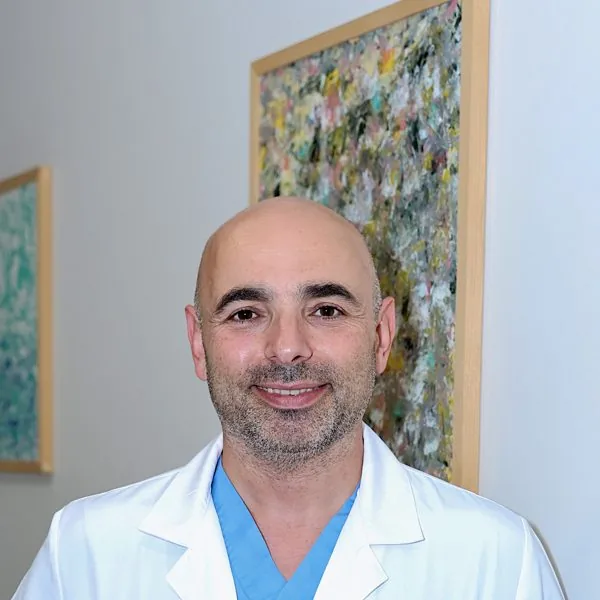
Op. Dr. Ali İhsan Gönenç
Obstetrics & Gynecology · IVF, Medical Park Bahçelievler IVF Center
Medically reviewed:Op. Dr. Ali İhsan Gönenç is an experienced obstetrician and gynecologist focused on infertility and IVF. The medical information on this page has been reviewed by him for accuracy.
View Doctor Profile →Sources: NHS, IVF · Mayo Clinic, IVF
Frequently Asked Questions
Common questions, clearly answered.
✓ Medical content reviewed by Op. Dr. Ali İhsan Gönenç · Last updated: July 2026
Prolonged bed rest is usually not required; normal daily activity can resume shortly after. Your physician will advise you personally.
Usually a blood test about 10-12 days after embryo transfer.
The main steps are ovarian stimulation, egg retrieval, fertilization in the lab, embryo monitoring, and embryo transfer. A pregnancy test is done about two weeks later.
It is hormone treatment given to help several eggs mature at once. The process is closely monitored with ultrasound and blood tests.
Mature eggs are collected under light sedation with a fine needle guided by ultrasound. The procedure is short and usually painless.
The retrieved eggs are fertilized with sperm using conventional IVF or ICSI, and the resulting embryos are monitored as they develop. The most suitable embryo is chosen for transfer.
The selected embryo is placed into the uterus with a thin, soft catheter, usually under ultrasound guidance. The procedure is short and typically painless.
Stimulation usually takes several days up to about two weeks, while retrieval and transfer are short procedures. The full cycle is most often 2-3 weeks.
You will need to attend for monitoring ultrasounds, egg retrieval and embryo transfer. The schedule is arranged around your treatment plan.
Using medications on time and at the right dose, attending appointments, and following your doctor's advice are important. A healthy routine supports the process.
Related Reading
- How Is IVF Done? A Step-by-Step Guide to the IVF Process
- How Long Does IVF Take? A Step-by-Step Treatment Timeline
- IVF Injections and Medications: The Process, Side Effects and Common Questions
- Egg Retrieval: What to Expect Before, During and After the Procedure
- The Luteal Phase: Meaning, Length, Symptoms and Progesterone
Sources
The information on this page is supported by the following independent, authoritative sources:
Book your consultation with Op. Dr. Ali İhsan Gönenç
No pressure · Medical evaluation first · Clear communication