What Happens After IVF Treatment in Turkey? Follow-Up, Care, and Returning Home

For many international patients, the IVF journey does not end when treatment in Turkey is completed. One of the most common concerns is what happens after returning home, how follow-up is managed, who provides ongoing care, and what to expect during the early stages after embryo transfer.
IVF Does Not End on Transfer Day
A common misconception is that IVF treatment ends once the embryo transfer is completed. In reality, the post-transfer period is a medically important phase that requires monitoring, communication, and clear guidance.
After treatment in Turkey, patients typically continue care in their home country while remaining in contact with their IVF team.
The First Days After Embryo Transfer
After embryo transfer, patients are usually advised to:
- Continue prescribed medications
- Avoid strenuous physical activity
- Maintain normal daily routines with moderation
- Follow specific instructions provided by the treating physician
Most patients are able to travel home shortly after embryo transfer, unless medical circumstances require otherwise.
Pregnancy Testing and Early Results
Pregnancy testing is typically scheduled based on the treatment plan and embryo transfer date. This test is often performed in the patient's home country. Regardless of the outcome, results are communicated back to the IVF team in Turkey.
If the Pregnancy Test Is Positive
If pregnancy is confirmed, patients usually transition to routine obstetric care locally. The IVF team may provide guidance regarding continuation of medications, timing of the first ultrasound, and general early pregnancy precautions.
If the Pregnancy Test Is Negative
A negative result can be emotionally challenging. Ethical IVF care includes structured follow-up even when treatment does not result in pregnancy. Post-cycle consultation may involve review of treatment response, discussion of possible contributing factors, and emotional support.
Medication Management After Returning Home
Some IVF medications are continued for a period after transfer. Patients receive written instructions regarding dosage, duration, and when to stop medications. If questions arise, patients are encouraged to contact the IVF team rather than making changes independently.
Managing Complications or Concerns at Home
Most patients do not experience serious complications after IVF treatment. However, patients are advised to seek local medical care if they experience severe pain, significant bleeding, signs of infection, or unusual symptoms.
Emotional Support After IVF Treatment
The post-IVF period can involve emotional uncertainty, regardless of outcome. Clear communication and realistic expectations help patients cope during this time.
At drgonenc.com, post-treatment communication is part of ethical practice, ensuring patients are not left without guidance after returning home. Follow-up discussions are focused on clarity, medical reasoning, and patient well-being rather than pressure to repeat treatment.
Medical Disclaimer: This content is for informational purposes only and is not a substitute for professional medical advice. Please consult your specialist physician for treatment decisions.
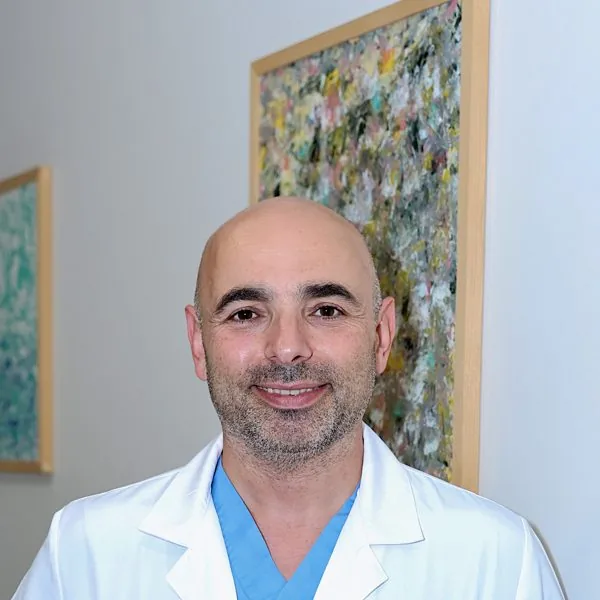
Op. Dr. Ali İhsan Gönenç
Obstetrics & Gynecology · IVF, Medical Park Bahçelievler IVF Center
Op. Dr. Ali İhsan Gönenç is an experienced obstetrician and gynecologist focused on infertility and IVF. This content has been reviewed by him for medical accuracy.
View Doctor Profile →Related Reading
- IVF Treatment in Turkey
- IVF Cost in Turkey
- Trying Again After Miscarriage: When and How
- IVF Cost in Turkey: What International Patients Should Really Budget For
Sources and references
Independent, authoritative reference sources on assisted reproduction and women's health: