How Is IVF Done? A Step-by-Step Guide to the IVF Process

IVF (In Vitro Fertilization) is an evidence-based fertility treatment in which egg and sperm are combined in the laboratory and the resulting embryo is placed into the uterus. "How is IVF done?", "how does IVF work?" and "what is IVF?" are among the most common questions. In this guide, we explain the process step by step, from the first evaluation to the pregnancy test, in plain language.
In our doctor-led approach under Op. Dr. Ali İhsan Gönenç, every stage is based on individual medical evaluation rather than protocol automation. The steps below provide a general framework; your treatment plan is personalized to your age, diagnosis and how your body responds.
What Is IVF?
IVF is an assisted reproductive technique used when pregnancy cannot be achieved naturally. The core idea is that eggs collected from the ovaries are fertilized with sperm in the laboratory, and a healthy resulting embryo is transferred to the uterus.
For general information, see our IVF in Turkey page, and for the clinical stages, our IVF Process page.
Who Is IVF For?
IVF may be recommended for many situations:
- Blocked or damaged fallopian tubes
- Male factor (low sperm count, motility or morphology)
- Ovulation disorders
- Unexplained infertility
- Endometriosis
- Reduced ovarian reserve with advancing age
- Risk of passing on certain genetic conditions
Suitability becomes clear only after a detailed medical evaluation. We discuss the impact of age on our IVF Age Limit page.
Evaluation and Tests Before IVF
Before treatment begins, both partners are evaluated. This stage usually includes:
- Hormone tests (such as AMH, FSH, LH, estradiol)
- Ultrasound showing ovarian reserve (antral follicle count)
- Semen (sperm) analysis for the male partner
- Uterine and endometrial assessment
- General health and infection screening
These tests are critical for determining which treatment protocol is appropriate and what expectations are realistic. Accurate diagnosis is the foundation of a successful IVF process.
Step 1: Ovarian Stimulation (Injections)
In a natural cycle, usually a single egg matures. In IVF, the ovaries are stimulated with hormone injections to obtain multiple eggs. This "stimulation" phase generally lasts 8-12 days.
The injections are usually administered at home, under the skin (subcutaneously). Dosage is individualized and adjusted according to monitoring. For details on injections, medications, possible side effects and common questions, see our IVF Injections and Medications article.
Step 2: Monitoring (Ultrasound and Blood Tests)
Throughout stimulation, egg development is tracked with regular ultrasound and blood tests. The goal is to follow the growth of the follicles (the sacs that contain eggs) and safely adjust the medication dose. Monitoring usually involves 2-4 check-up visits.
Close monitoring is important both for better outcomes and to minimize risks such as overstimulation (OHSS). This is where doctor-led care shows its value: dosage and timing decisions are made directly by your physician.
Step 3: The Trigger Shot and Timing
When the follicles reach the right size, a "trigger shot" is given to complete the final maturation of the eggs. The timing of this injection is crucial; egg retrieval is usually planned about 34-36 hours after the trigger.
Step 4: Egg Retrieval (OPU)
Egg retrieval (OPU, Oocyte Pick-Up) is a procedure performed under light sedation, usually lasting 15-20 minutes. Guided by ultrasound, eggs are collected from the follicles with a fine needle. Most patients can rest and return home the same day; mild bloating or cramping may occur.
Step 5: Sperm Preparation
On the day of egg retrieval, a sperm sample is provided by the male partner (or a previously frozen sample is used). In the laboratory, the healthiest and most motile sperm are prepared for fertilization. In severe male factor cases, sperm may be obtained surgically.
Step 6: Fertilization, Conventional IVF or ICSI?
Fertilization can be achieved in two main ways:
- Conventional IVF: Eggs and sperm are placed together in the laboratory and fertilization is allowed to occur naturally.
- Micro-injection (ICSI): A single healthy sperm is injected directly into the egg. It is preferred especially for male factor or previous fertilization problems.
Which method is appropriate is determined by medical findings. For details, see our ICSI Treatment and PICSI Treatment pages.
Step 7: Embryo Culture and Development
Fertilized eggs (now embryos) are monitored in special culture media in the laboratory. Embryos usually continue to develop for 3 to 5 days; an advanced day-5 embryo is called a "blastocyst." The embryologist assesses development and quality to select the most suitable embryo for transfer.
Laboratory quality and embryology expertise are among the most important factors affecting outcomes. We detail this in our IVF Success Factors article.
Step 8: (Optional) Preimplantation Genetic Testing (PGT)
In some cases, embryos can be screened before transfer for certain chromosomal or genetic conditions. This is called preimplantation genetic testing (PGT) and may be considered for advanced maternal age, recurrent miscarriage or a known family genetic condition. Details: Genetic Testing (PGT).
Step 9: Embryo Transfer
Embryo transfer is a short and usually painless procedure in which the selected embryo is placed into the uterus using a thin, soft catheter. It does not require anesthesia. Prolonged bed rest is usually not needed afterwards; you can return to daily activities shortly.
We cover what happens after transfer, implantation signs and precautions in our After Embryo Transfer article.
Step 10: The Pregnancy Test
About 10-12 days after embryo transfer, pregnancy is assessed with a blood test (beta hCG). A blood test is preferred over home tests because it gives an earlier and more reliable result. Regardless of the outcome, a follow-up consultation plans the next steps.
Fresh or Frozen Transfer?
The embryo can be transferred in the same cycle (fresh) or frozen and later thawed and transferred in a suitable cycle. Frozen embryo transfer (FET) allows the uterine lining to be prepared at the optimal time and is preferred in some situations. Details: Frozen Embryo Transfer.
How Long Does IVF Take?
The active treatment phase generally takes 2-3 weeks: stimulation (8-12 days), egg retrieval, fertilization, embryo development and transfer. For international patients, the total stay in Istanbul is usually around 10-15 days, and some preparation can begin in your home country.
What Affects IVF Success?
Success does not depend on a single factor; age, egg and sperm quality, embryo quality, the uterine environment, lifestyle and laboratory quality all play a role. We explain why IVF sometimes fails and what to do next in our Why Does IVF Fail? article.
The Process for International Patients
For patients coming from abroad, every step is coordinated in advance: the initial evaluation can be done online, medications can begin in your home country, and travel is planned around key treatment steps. You can compare treatment options on our Treatment Options page.
IVF Cost
IVF cost varies from person to person; protocol, medication dose, age and any additional techniques affect it. For this reason, a clear and personalized quote is provided only after a medical evaluation. We transparently explain the factors on our IVF Cost page.
What Are the Types of IVF?
IVF is not a single method; different approaches are used depending on the patient's situation:
- Conventional IVF: Egg and sperm are allowed to fertilize naturally in the laboratory.
- Micro-injection (ICSI): A single sperm is injected directly into the egg; often used for male factor.
- Natural or mild (mini) IVF: An approach using lower medication doses, suitable for selected patients.
Which method is appropriate is discussed in detail on our Treatment Options page and determined individually for you.
Preparing for IVF: What Can You Do?
The period before treatment is important for creating the best conditions. General recommendations include:
- Quitting smoking and alcohol
- Eating a balanced diet and aiming for a healthy weight
- Taking folic acid and supplements recommended by your physician
- Regular, moderate exercise
- Attending to sleep patterns and stress management
- Keeping chronic conditions (thyroid, diabetes, etc.) under control
Similar lifestyle recommendations that support sperm quality apply to the male partner. This preparation period usually begins 2-3 months before treatment, because both egg and sperm development take time.
Technology and the Role of the Laboratory in IVF
Laboratory quality plays a decisive role in IVF success. Embryos are cultured in special incubators matched to body temperature and pH balance. Experienced embryologists carefully manage fertilization, embryo development and selection. Quality control standards and sterile working conditions directly affect outcomes.
For this reason, when choosing a clinic, you should look not only at price but also at laboratory and team experience. We explain the importance of the lab in more detail in our IVF Success Factors article.
IVF and Twin (Multiple) Pregnancy
In the past, multiple embryos were transferred to increase the chance of pregnancy, which raised the likelihood of twins or triplets. Today, to improve safety, a single healthy embryo transfer (elective single embryo transfer) is preferred in most cases. Because multiple pregnancies can carry additional risks for both mother and baby, the decision is made according to medical evaluation.
The Place of Egg and Embryo Freezing in the Process
Surplus, good-quality embryos obtained during IVF can be frozen for future use. Similarly, egg freezing is an option for those who wish to delay fertility or need preservation before a medical treatment. For details, see our IUI TreatmentEgg Freezing and Frozen Embryo Transfer pages.
Common Myths About IVF
Many unfounded beliefs circulate about IVF. One of the most common is the claim that "children born through IVF are not normal," which is not true. Millions of healthy children have been born through IVF, and they are no different from other children. Other myths include "IVF always means twins" or "you must have weeks of bed rest after IVF", none of which are medically true. Staying away from information overload and directing your questions to your physician is the healthiest approach.
Emotional Health During the IVF Process
IVF is not only a medical but also an emotional journey. Hope, anxiety and anticipation can be experienced together. During this process, it is important to be kind to yourself, communicate openly with your partner and seek professional support when needed. Transparent information and realistic expectations are the strongest tools for reducing anxiety. In doctor-led care, taking time for every question and planning the process together with you is essential.
How to Choose the Right Clinic for IVF
When choosing the right clinic, evaluate these criteria: who will lead the treatment (physician leadership), laboratory and embryology experience, transparent communication and realistic expectation management. Rather than price or advertising promises, knowing who holds medical responsibility builds trust. For an initial evaluation, you can contact us.
How Long Do Pre-IVF Tests Take?
The pre-treatment evaluation is usually completed within a few days to a few weeks. Hormone tests and ultrasound are done on specific days of the menstrual cycle, while semen analysis is collected at a suitable time for the male partner. Some results are available immediately, while genetic or advanced tests may take a little longer. For international patients, some of these tests can be done in the home country and the results shared online, which shortens the stay in Istanbul.
What Happens on Egg Retrieval Day?
Egg retrieval day is planned about 34-36 hours after the trigger shot. You will be asked to come with an empty stomach because light sedation is used. The procedure takes 15-20 minutes, and afterwards you are observed in a recovery room for a while. The same day, you are told the number of eggs obtained. Most patients can return home within a few hours after the procedure; rest is recommended that day.
What Does Embryo Grading Mean?
The embryologist grades embryos according to their development rate and appearance. This grading helps select the most suitable embryo for transfer. However, even a "good-looking" embryo is not guaranteed to be chromosomally healthy; for this reason, genetic testing (PGT) may be considered in some cases. Grading does not determine success on its own; it is part of a holistic assessment.
Pregnancy Monitoring After IVF
When the pregnancy test is positive, the first ultrasound is usually done a few weeks later to confirm the pregnancy sac and heartbeat. After this stage, you transition to routine pregnancy (obstetric) follow-up. International patients can continue this follow-up in their home country, with coordination with the IVF team when needed. Medication support may continue for a while in early pregnancy.
IVF and Quality of Life
The IVF process is a mental journey as much as a physical one. Throughout the process, a balanced diet, adequate sleep and stress-reducing activities help you feel well. Open communication with your partner and professional support when needed make this period easier. Remember: every journey is unique, and focusing on your own process rather than comparing is the healthiest approach.
FAQ
Is IVF painful? Egg retrieval is done under light sedation and is generally comfortable. Embryo transfer requires no anesthesia. Mild bloating can occur during stimulation.
When can I find out if IVF worked? Pregnancy is assessed with a blood test about 10-12 days after embryo transfer.
Will it work on the first attempt? This depends on age, diagnosis and embryo quality. No ethical center can guarantee success; a medical evaluation is needed for realistic expectations.
Can I work during the process? Most patients can continue daily life. Rest is recommended on the day of egg retrieval.
For any questions about your IVF journey, you can contact us or book an appointment directly.
Medical Disclaimer: This content is for informational purposes only and is not a substitute for professional medical advice. Please consult your specialist physician for treatment decisions.
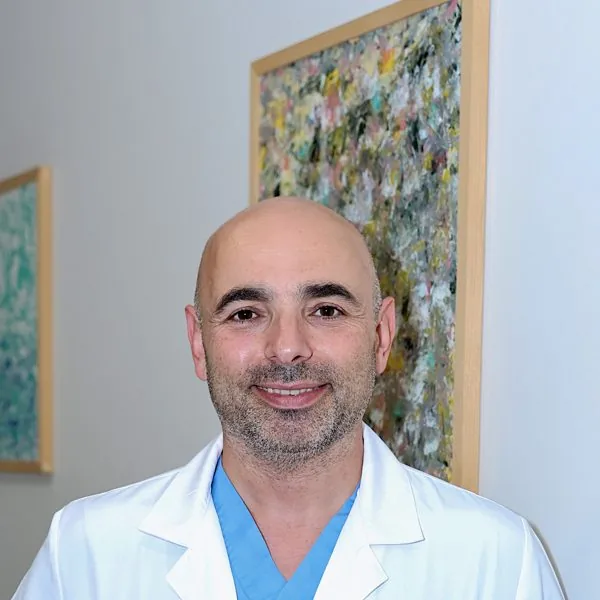
Op. Dr. Ali İhsan Gönenç
Obstetrics & Gynecology · IVF, Medical Park Bahçelievler IVF Center
Op. Dr. Ali İhsan Gönenç is an experienced obstetrician and gynecologist focused on infertility and IVF. This content has been reviewed by him for medical accuracy.
View Doctor Profile →Sources: NHS, IVF
Related Reading
- The Stages of IVF Treatment
- IVF Cost in Turkey
- Tubal ligation reversal and IVF: the two routes after sterilisation
Sources and references
Independent, authoritative reference sources on assisted reproduction and women's health: